
Introduction
Artificial intelligence (AI) is no longer limited to self-driving cars, smart assistants, or data-driven business tools. In recent years, AI has found its way into veterinary medicine, pet care, and livestock management, creating new opportunities for animal health and welfare.
From detecting early signs of disease to designing personalized nutrition plans, AI-powered tools are becoming an essential part of how we care for both pets and farm animals. This article explores the different ways AI is transforming animal health, while highlighting both its benefits and challenges.
Early Disease Detection
One of the most promising applications of AI in animal care is early disease detection. By analyzing subtle changes in behavior, movement, or feeding patterns, AI systems can identify potential health issues before they become severe.
For example:
-
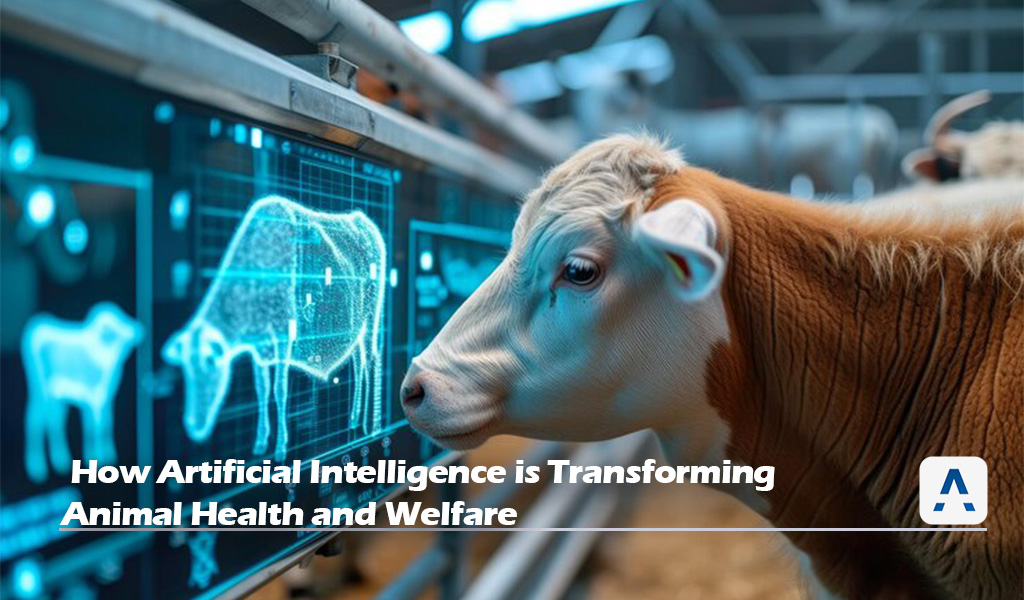
AI cameras in barns can monitor cows’ posture to detect lameness early.
-
Wearable collars for dogs and cats track activity and sleeping patterns, alerting owners to abnormalities.
-
Machine learning models analyze veterinary records to predict common illnesses based on breed and age.
This proactive approach not only saves lives but also reduces medical costs for pet owners and farmers.
Personalized Nutrition for Pets and Livestock
Nutrition plays a key role in animal health, yet many owners struggle to find the right balance of vitamins, minerals, and calories for their animals. AI helps by:
-
Creating tailored diet plans for pets based on breed, age, and health conditions.
-
Recommending alternatives when certain foods are unavailable.
-
Predicting long-term health outcomes from different feeding strategies.
In livestock farming, AI-powered nutrition platforms help optimize feed efficiency, ensuring that animals grow healthy while reducing waste and environmental impact.
Behavioral Analysis and Welfare
Animal behavior often reflects hidden physical or emotional problems. AI tools use video monitoring, sound recognition, and pattern analysis to detect:
-
Stress and anxiety in pets.
-
Aggression or unusual behavior in farm animals.
-
Signs of neglect or abuse in shelters.
By identifying these patterns, veterinarians and owners can act early to improve animal welfare, reduce stress, and strengthen the human-animal bond.
AI in Veterinary Practice
Veterinary professionals are increasingly adopting AI tools to improve diagnosis, treatment, and case management. Some applications include:
-
Medical Imaging: AI algorithms analyze X-rays and ultrasounds, spotting abnormalities faster than humans.
-
Decision Support Systems: Veterinarians use AI platforms to compare symptoms with global databases.
-
Telemedicine: AI chatbots and diagnostic assistants allow owners to consult remotely before scheduling a physical appointment.
These tools do not replace veterinarians but serve as valuable partners, improving accuracy and efficiency.
Livestock Management with AI
Farmers face unique challenges when managing large numbers of animals. AI offers solutions such as:
-
Smart Sensors to monitor feed intake and water consumption.
-
Automated Herd Tracking to locate animals across large areas.
-
Disease Prediction Models to prevent outbreaks before they spread.
By improving efficiency, AI reduces costs and enhances food security while ensuring animals live in healthier environments.
Challenges and Ethical Considerations
While AI brings exciting opportunities, there are also challenges:
-
Data Privacy: Who owns and manages the animal health data collected?
-
Cost: Advanced AI systems may be expensive for small farms or individual pet owners.
-
Ethics: Balancing technology with compassion and natural living conditions is essential.
These concerns highlight the need for responsible development and regulation.
Conclusion
Artificial intelligence is reshaping the future of animal health and welfare. From pets at home to livestock on farms, AI-driven tools provide deeper insights, faster diagnoses, and more personalized care.
As technology advances, the collaboration between AI developers, veterinarians, farmers, and pet owners will be crucial. Together, they can ensure that AI not only enhances efficiency but also improves the quality of life for animals worldwide.